It’s easy to think of ski homes as purely winter retreats – places for powder days, roaring fires and après-ski rituals. But in recent years, a growing number of owners have discovered the quiet luxury of the Alps in August. When European cities are sweltering, the mountains offer altitude, cool air and space.
As we’ve written about in the past, dual seasonality is a concept only growing in popularity. Far from being dormant during the off-season, many resorts come alive in summer. Whether you’re planning to visit your home yourself or want to make it work harder year-round, there’s every reason to reframe how you think about your property once the snow has melted.
Why August is ideal in the Alps
European ski resorts have quietly become some of the continent’s best-kept summer secrets. In August, alpine towns trade snowboots for walking poles, and ski lifts carry hikers, mountain bikers and paragliders rather than skiers. Restaurants open out onto sunlit terraces and villages host everything from classical music evenings to outdoor yoga retreats.
Chamonix is a long-established draw for climbers and hikers. Verbier welcomes gourmet festivals and wellness events. Zell am See adds lakeside swimming and sailing to the mix. In France, Les Gets is popular with families for its bike park, woodland trails and calm atmosphere. These resorts have invested in dual-season infrastructure – and it’s paying off.
Visitors are returning not just in winter, but for the fresh air, privacy and understated charm of high-altitude summers.
Adapting your ski property for summer use
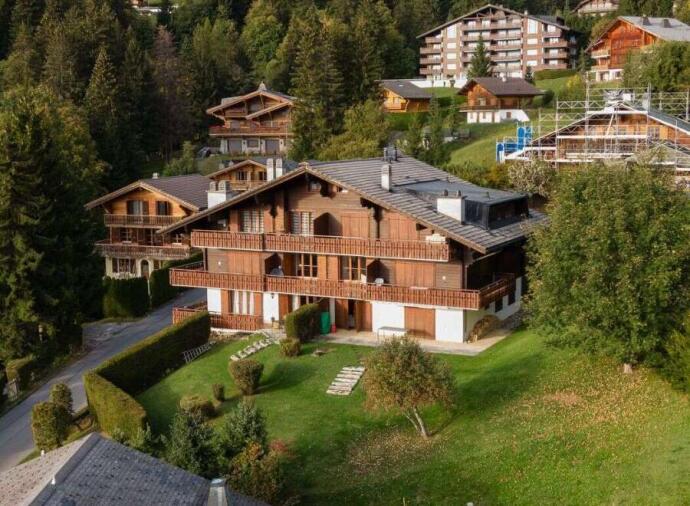
Ski chalets are, by design, built to keep heat in. That’s an asset in January – but in August, it can make interiors stifling if left unadapted. The good news is that keeping your property cool needn’t mean installing an energy-intensive air conditioning unit.
Traditional Alpine methods remain surprisingly effective. Open windows in the early morning and evening to draw in cooler air, then close them during the day and use wooden shutters or solar-controlled blinds to keep the sun out. In some resorts, stone or timber-framed homes maintain internal comfort naturally, especially when well ventilated.
For owners making regular summer visits, discreet ceiling fans and smart thermostats are becoming popular. Others are investing in air-to-air heat pumps, which can provide efficient heating in winter and cooling in summer. Solar-reflective window film is another low-impact addition that helps maintain a balanced temperature without structural change.
Most importantly, these solutions don’t compromise the property’s winter performance. They simply help it work harder across the year.
Designing for two seasons
Interior choices make a noticeable difference in summer. Many owners now store heavier throws, rugs and curtains once the season changes. Linen, cotton and light woven textures are used to soften interiors while still keeping the mountain character intact.
In some cases, soft furnishings are rotated seasonally – a simple way to make the home feel fresh and responsive to the time of year. Breathable bedding, natural wood furniture and pale-toned tableware can go a long way in making a property feel like a sanctuary rather than a ski lodge. You don’t want to bed down under a 15-tog duvet on a hot August night!
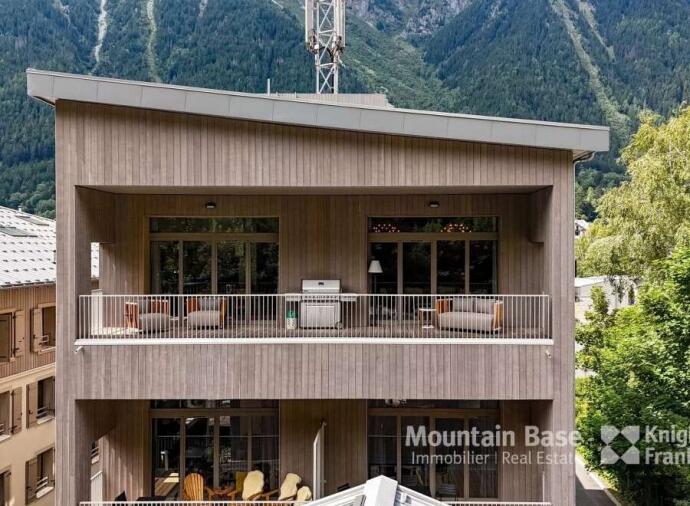
If you’re building or renovating, consider design choices that support natural air flow and outdoor living: dual-aspect windows, shaded terraces, stone patios and pergolas all contribute to a sense of ease in warmer months. Recent builds in France and Austria are increasingly incorporating these elements as dual-season living becomes the expectation, not the exception.
Summer lifestyles in the Alps
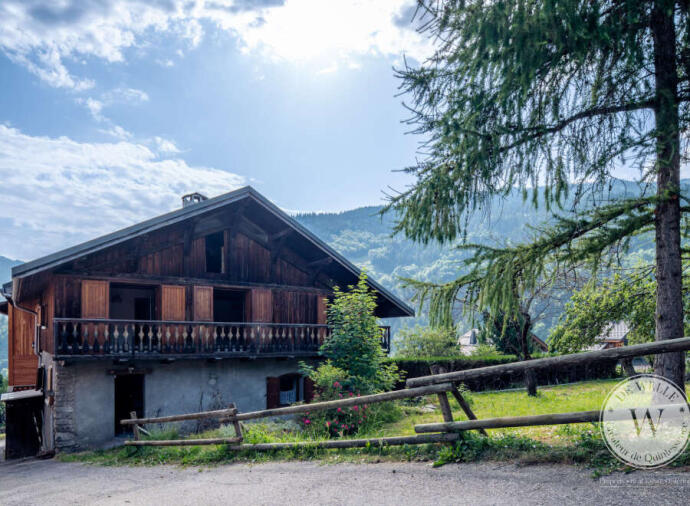
Many treat their home as a quiet summer base – waking to misty mountain views, taking coffee on the balcony, then heading out for walks, lake swims or lunch in the village. Families enjoy an alternative to airport queues and overdeveloped coastlines. Children can roam more freely and discover nature on foot rather than from the back of a car.
For others, especially digital nomads or those able to work remotely, their ski home becomes a peaceful retreat. With high-speed internet and views to rival any Zoom background, these properties are increasingly being used for creative breaks or extended stays. The calm, the altitude and the lack of distractions all contribute to a sense of wellbeing.
Wellness, in fact, is becoming a strong secondary reason to stay. Whether it’s forest bathing, trail running or simply dining al fresco in the cool evening air, the Alps offer respite from urban heat and stress.
Making it work year-round
Ski homes have always offered winter magic – but they can just as easily become your August sanctuary. With a few smart upgrades and an openness to the mountain life in summer, your property can bring you enjoyment, income and balance all year long.
To get the process of buying your ski property underway, why not take a look at our handy ski property buying guides? They lay out the buying journey step by step to make the process as smooth and hassle-free as possible.
 Dec 15, 2025