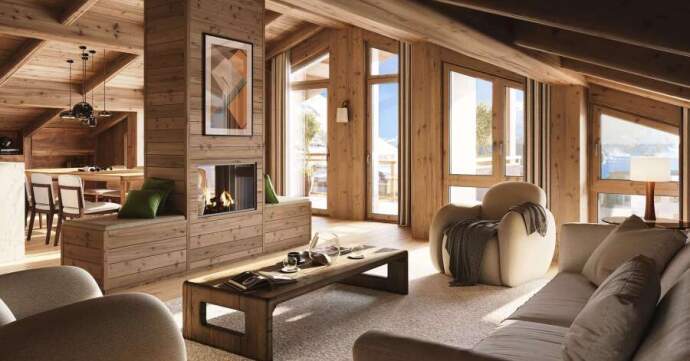
September is your last real opportunity to get work done on your ski property before the snow starts falling – and before the resort fills up with guests, deliveries slow down and most construction work is put on pause.
Whether you’re planning to use your chalet privately this winter or let it out, any improvements you want to make need to be scheduled now. And that means prioritising what’s feasible in a short time frame, knowing what requires permission, and understanding which upgrades will actually enhance comfort or add value.
Let’s take a practical look at how to approach pre-season renovations – with enough time left to still get something done.
What you can realistically tackle in September
If you’ve only just completed your purchase, the idea of tearing out bathrooms or redesigning interiors may feel a little premature. But there are still several improvements that are both achievable and worthwhile, even within a six-week window.
Quick-turnaround projects might include upgrading insulation, installing a more efficient heating system, or transforming an empty room into a ski boot storage area with drying racks and wall-mounted equipment hooks. These don’t just improve convenience – they also help protect the property and cut running costs during winter.
On the lifestyle side, you might still have time to add features like a sauna, steam room or hot tub, especially if plumbing access is already in place. And if your furniture is on the bare-bones side, a September re-fit can help make the home feel more inviting and guest-ready. Focus on durable, winter-proof finishes and warm lighting. If you're working with a local design studio, they’ll often have access to trusted trades who can deliver on tighter timelines.

Understand what needs approval
One of the most common frustrations among new owners is not realising that some renovations – even internal ones – may require approval. In France, for example, any property within a copropriété is governed by a set of rules (the règlement de copropriété) which may restrict certain changes to your unit. External changes, such as balcony extensions or window replacements, almost always need formal permission from the building administrator or local mairie.
You may also need to give advance notice to neighbours or schedule work only during approved hours. And in many resorts, there are seasonal restrictions that prevent noisy or visible works during the core ski season. So if you don’t already have planning consent in place, it’s unlikely you’ll get approval and completion sorted before winter. Better to plan well, do it properly, and wait until spring for anything major.
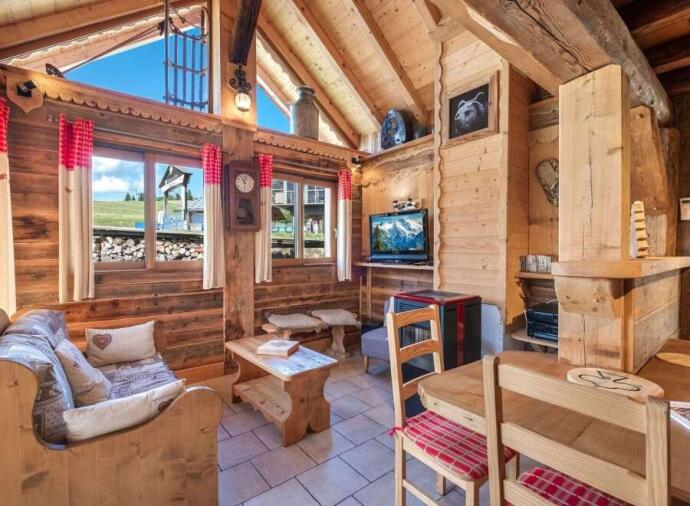
Renovating with rental in mind
If you’re intending to let your property this season, it’s worth focusing on upgrades that will improve the guest experience and reduce complaints. It’s often the simple things – good lighting, reliable heating, decent mattresses and a well-equipped kitchen – that make the biggest difference in reviews.
Wi-Fi and smart TVs are also now considered essential. If the property has been let before, take the time to go through any past feedback and identify quick fixes that could raise your rating. Upgrading appliances, repairing scuffed walls or adding underfloor heating in entrance areas all help to create a better first impression.
It’s also worth thinking about wear and tear. Timber-look vinyl flooring, wipeable paint finishes and sturdy storage will all hold up better over a busy season.
Unless you're living nearby and fluent in the local language, it’s a good idea to bring in a project manager or experienced property manager to coordinate any work. Alpine tradespeople tend to be fully booked from October onwards, and deliveries can be delayed once snow arrives.
Having someone on the ground who can chase suppliers, keep an eye on progress and make quick decisions saves time and reduces the risk of errors.
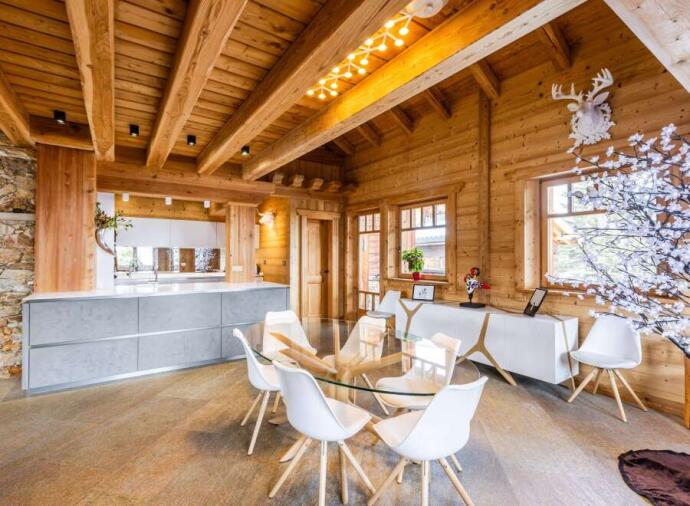
Even if you’re not renovating...
If renovations aren’t on your agenda this year, September is still the time to check that your property is ready for the season ahead. Heating systems should be serviced, chimneys swept and rooflines checked for damage. Insulation around pipes should be inspected, especially if the property has been empty for long periods.
It’s also worth making sure your insurance cover is up to date, particularly if you’ve made any recent changes or plan to start renting the property. Some policies may need to be adjusted based on usage or guest access.
Plan now, enjoy later
Renovating in the Alps comes with unique challenges – tight timeframes, altitude regulations and seasonal cut-offs. But with the right support and a bit of forward planning, it’s possible to make impactful changes before winter without turning it into a drawn-out process.
Still looking to buy? Get the process of buying your ski property underway, by looking at our handy ski property buying guides. They lay out the buying journey step by step to make the process as smooth and hassle-free as possible.
 Jun 18, 2019