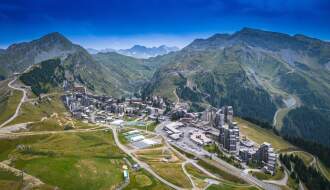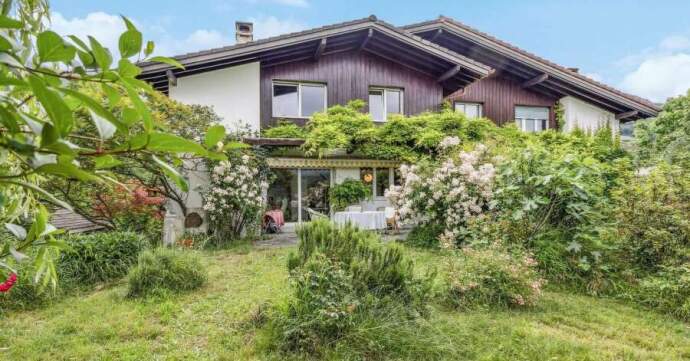
Sustainability is an essential consideration for everyone. By their very nature, ski resorts rely on the mountains and those who oversee them understand the delicate balance between enjoying and caring for their environment.
Sustainable architecture can have a significant influence on supporting mountain ecology, enhancing community and minimising wider impact. As resorts become more aware of their role, and the opportunities to preserve the mountains for future generations, then sustainability becomes a core value in any resort design. From protection of biodiversity to efficient waste management, the influence of resort architecture and design is clear.
The Principles of Sustainable Architecture
Sustainable architecture in ski resorts aims to minimise environmental impact, enhance energy efficiency and use renewable resources.
Energy Efficiency
High-Performance Buildings
By using advanced insulation, high-quality windows, and airtight construction energy loss is kept to a minimum, whilst maintaining comfortable indoor temperatures.
Efficient Heating and Cooling Systems
Using innovative technology for ventilation and air conditioning (HVAC) systems means systems use less energy to provide optimal indoor climate control. Geothermal heating and cooling systems can also be an effective solution in mountainous regions.
Efficient Lighting
LED lighting and smart lighting controls that adjust based on occupancy and natural light availability can significantly reduce energy consumption.
Passive Solar Design
In passive solar design, buildings are designed to maximise the use of natural sunlight for heating and lighting which reduces reliance on artificial energy sources. Careful placing of windows as well as use of thermal mass (a building’s ability to use and store heat) and shading devices all support the goal of reducing energy consumption.
Minimise Environmental Impact
Site Selection and Planning
Sites for development are selected to avoid ecologically sensitive areas, keep land disturbance to a minimum, and preserve natural landscapes. Inclusion of wildlife corridors is essential, and water flow should be preserved.
Low-Impact Construction
Choosing to use prefabricated components and machinery with minimal ground impact mean that soil erosion, water contamination and habitat disruption can be kept to a minimum. Buildings are designed to blend with the natural landscape, using natural forms and materials to enhance aesthetic appeal and reduce visual impact.
Sustainable Water Management
Implementing systems for water conservation, such as low-flow fixtures, rainwater harvesting, and greywater recycling, to reduce water usage and protect local water resources.
Waste Reduction and Management
Choosing to use recyclable and biodegradable materials in construction, such as sustainably harvested timber and natural insulation, as well as developing a comprehensive waste management program will reduce the volume of waste sent to landfills.
Use of Renewable Resources
Renewable Energy Sources
Incorporating renewable energy systems such as solar panels, wind turbines, and biomass generators to supply clean energy to buildings and facilities. This reduces reliance on fossil fuels and lowers greenhouse gas emissions.
Use local resources and skills
Choosing to use locally sourced materials will reduce transportation and enhance the integrity of any new construction. New buildings will maintain rather than disrupt the current architecture traditions. Using local craftspeople to carry out construction means the community is supported and traditional skills can be preserved and so the ski resort becomes part of the local economy, rather than detracting from it.
Innovative Design and Construction Techniques
Sustainable architecture offers superb opportunities to use innovative design and construction techniques which improve the aesthetic and long-term goals for environmental responsibility.
Green Roofs
You may be familiar with the idea of green roofing. Put simply it’s a roof that is covered with plants and vegetation instead of traditional tiles or other materials. A growing medium is placed on top of waterproof membrane and placed with low maintenance plants such as sedum or low growing grasses. These provide insulation, storm water run off and improve biodiversity. Green roofs keep buildings cool in the warm summer months and warm in the winter which helps reduce energy usage.as well as being attractive and contributing towards creating a calming and enjoyable built environment.
Sustainable Materials
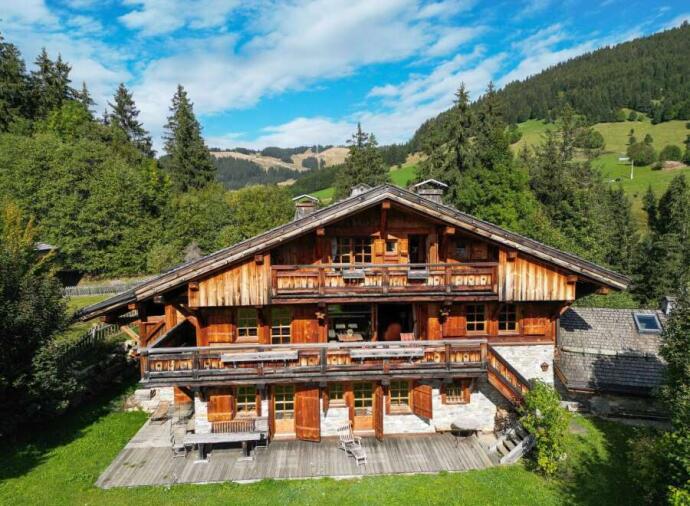
Choosing sustainable materials is another key way that architects can have a positive impact on the built environment. Using reclaimed wood reduces the demand for new timber and provides a rustic, authentic aesthetic that complements the natural surroundings of ski resorts.
Many materials, such as glass, steel and plastic, can be reused or recycled to offer a sound way to divert waste from landfill and reduce the energy and resources used in production of new materials. Choosing to use rapidly renewable materials such as bamboo or cork can also enhance sustainability, and because these materials are naturally durable, they offer the opportunity to create a building that lasts.
Not all aspects of construction can be made of natural or reclaimed materials, but environmentally friendly alternatives to concrete are a viable option. High volume fly-ash concrete or recycled aggregate concrete reduce the carbon footprint of the building and offer a sustainable choice where concrete type material is required.
Geothermal Heating and Cooling
Geothermal systems use the earth’s stable underground temperature to provide efficient heating and cooling. This significantly reduced energy consumption and greenhouse gas emissions. This technology is particularly effective when used in combination with advanced HVAC systems, energy recovery ventilators and smart thermostats.
Low-Impact Landscaping
Consideration is also paid to landscaping around a resort. Architects choose to landscape with native plants to maintain consistency with the existing environment, as well as opting for drought-resistant plants which reduces the need for watering. As well as careful planting schemes, choosing permeable paving and considered placement of hard landscaping can also help manage water flow and minimise impact of storm water run-off.
Energy Efficiency and Renewable Energy Sources
Ski resorts incorporate energy-efficient technologies and renewable energy sources to reduce their carbon footprint and operational costs. Using photovoltaic systems to convert sunlight into electricity, provides a renewable power source for resort operations, while solar thermal systems heat water for buildings and guest facilities. Combining this technology with geothermal heating and cooling, that uses ground source heat pumps for efficient heating and cooling means energy use and costs show marked reduction. Further improvements can be made by incorporating LED lighting, user responsive operations and high efficiency HVAC systems.
Water Conservation and Management
Water conservation is an essential element of sustainability and ski resorts implement various techniques to reduce the amount of water used by visitors and snowmaking. One of the simplest and most effective is rainwater harvesting. Specially designed systems are used to collect and store rainwater for uses like irrigation and snowmaking. An adaptation of this is the development of snowmelt reuse systems to capture and treat melted snow, allowing it to be reused for various non-potable purposes, including landscaping and snowmaking. These techniques are used alongside grey water recycling, which allows the treatment and reuse of wastewater for irrigation and toilet flushing. Each of these elements reduce water consumption and allow for maximum water conservation.
Integration with Natural Surroundings
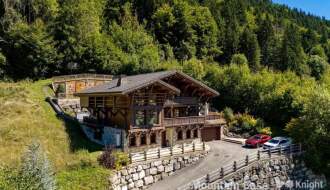
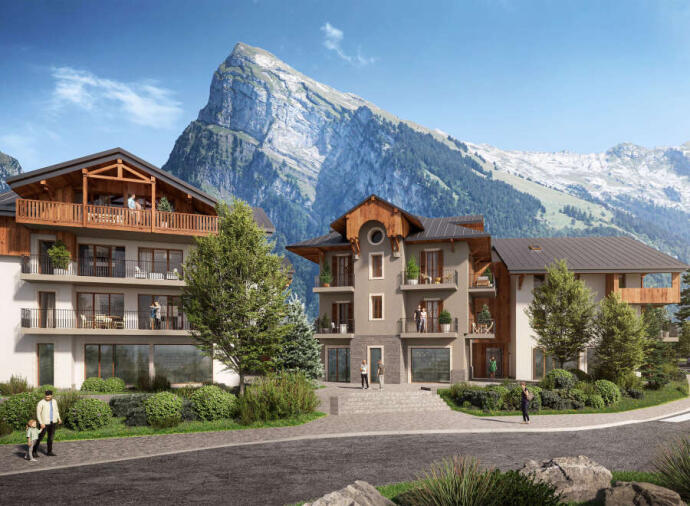
A quick search for “new build ski developments” brings a swathe of images that show buildings designed to echo the charm and structure of a traditional alpine chalet. The practicalities of this design marry modern understanding of the value of architectural heritage to create a built landscape that works in harmony with historical design, rather than seeking to disrupt. Where more modern shapes and lines are needed, tradition is maintained through considerate selection of materials, with local timber and stone being the primary choice. The goal is to create structures that blend with and enhance the surrounding landscape, to preserve the natural habitats as much as possible and to minimise visual impact.
Sustainable Interior Design and Amenities
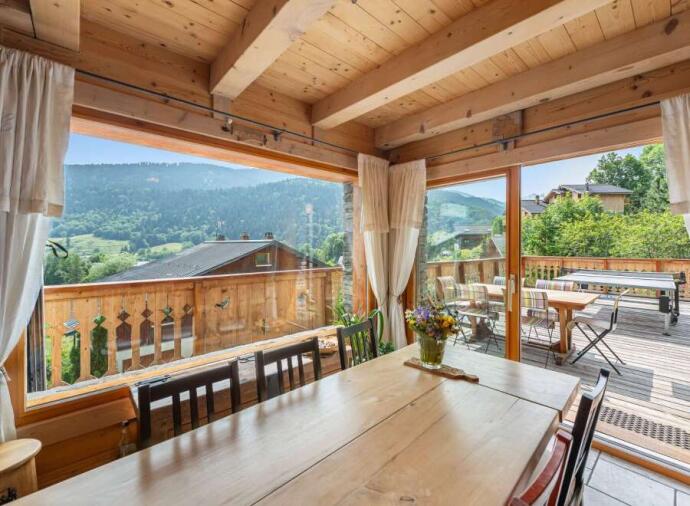
This approach is seen in the interior of many new build properties as well. Whilst there is an expectation of sumptuous luxury, this is achieved through the use of high-quality sustainable natural materials, clever use of texture and creative lighting. Designers will blend vintage furnishings with modern design to create a balanced aesthetic with lasting appeal.
Amenities aim to offer energy saving solutions as standard and features such as smart lighting and heating mean that maximum comfort can be achieved with minimum energy use. Designers will use energy efficient appliances as standard and seek to offer simple ways for ski homeowners to enjoy their time in the mountains whilst being responsible custodians of their space.
Case Studies of Sustainable Ski Resort Projects
Switzerland has been a pioneer in sustainable skiing, with resorts like Saas-Fee and Zermatt banning cars over 50 years ago. Modern developments, such as those in Andermatt and Laax, continue to set the standard in ecological and environmental design. In a country famous for its excellent local cuisine, nearly every restaurant emphasises predominantly Swiss fare on their menus, reflecting a commitment to sustainability and quality. An outstanding example of the possibilities for sustainable development is seen at Rocks resort in Laax, Rocks resort. The resort offers accommodation, bars, and restaurants that fulfil the resort’s ethos of being carbon neutral and self-sustaining and was crowned “Best Green Ski Hotel” at the World Ski Awards in 2017 and 2018.
How is it done?
The resort generates all its electricity from regional hydropower, promotes waste separation and recycling, and exclusively uses ecological cleaning products. Guests can use e-bikes powered by the resort's eco-friendly electricity and benefit from Tesla charging stations available in the garage. Rocks resort also supports biodiversity with a dedicated habitat for endangered wild bees and other insects, and staff uniforms are made from sustainable fabrics. Accommodations include a variety of options, such as double rooms and apartments for four, six, or eight people. The buildings are heated using renewable biomass energy.
Meaningful change can be achieved in individual developments too. A superb example if this is Falcon Lodge in Méribel. This development merges modern architectural elements with traditional alpine styles. It’s built from energy-efficient materials and uses advanced insulation techniques and renewable energy sources, such as solar panels, to power its amenities.
Design wise the development harnesses the beauty of locally sourced timber and stone to keep transport to a minimum, support local economies and create a pleasing aesthetic that blends with the natural environment. The lodge has various water-saving technologies, including low-flow fixtures and a greywater recycling system, to minimise water usage. Falcon lodge blends ease of use with environmental responsibility by offering easy access to sustainable transportation options, including electric vehicle charging stations, encouraging eco-friendly travel for its guests.
Challenges and Future Directions
Implementing sustainable architecture in the remote environments of ski resorts presents several challenges such as extreme weather and unique logistical needs. Transporting materials, managing waste and conserving water are amplified in the alpine environment and demand careful and intelligent solutions with a keen on innovation.
Choosing advanced insulation materials like aerogels, renewable energy integration through bifacial solar panels and micro-hydropower systems offers maximum efficiency with minimum impact. Energy usage benefits from solutions such as improved energy storage with advanced batteries.
In terms of construction, prefabricated construction techniques offer a way to minimise on site impact, while simple steps such as seeking to use electric or hybrid vehicles can lower the carbon footprint of a development. Sensitive use of sustainable local materials can offer a design aesthetic that blends with the natural landscape and supports the local economy. Creative, intelligent thinking can transform a ski development into a beacon of sustainability and an example of what can be achieved, even in the most challenging environment.
The Impact of Sustainable Architecture
Sustainable architecture plays a crucial role in the future of ski resorts. Sustainable practices, such as using local materials and circular economy principles, help preserve the natural landscape and biodiversity, while smart building systems and sustainable transportation options enhance resource efficiency and reduce the carbon footprint of a resort.
Ultimately, sustainable architecture ensures that ski resorts can thrive economically while maintaining ecological integrity and providing a high-quality, eco-friendly experience for communities, visitors and property owners.
 Nov 17, 2025