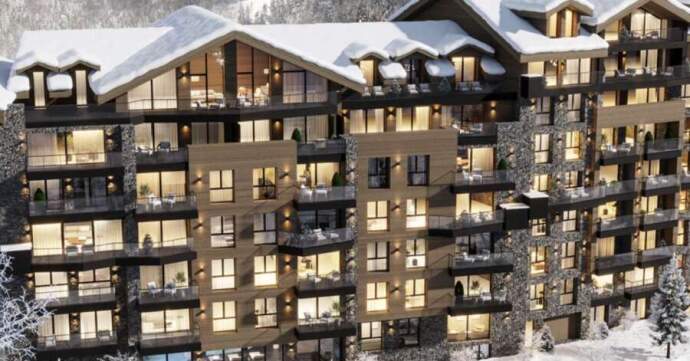
Owning a ski property in the French Alps or another iconic European resort is both a dream and a significant investment. Whether it’s a family base for winters on the slopes or a high-end rental that doubles as a second home, understanding the legal structure of your purchase is essential to protecting your long-term interests.
While each country has its quirks, France is one of the most popular markets for international buyers, and it has its own complexities. From title verification and zoning laws to ownership structures and inheritance planning, the process requires more than just a signature.
This is not a complete legal guide, but an introduction to the key concepts you’ll need to explore further. But, if there’s one thing to take away from this article, is that you should speak with a specialist before committing to a purchase. It could save you from costly mistakes later.
Local legal frameworks and what they mean for buyers
In France, the legal backbone of any property transaction is the notaire. These state-appointed officials execute the transaction and handle tax collection, but they do not represent you as the buyer. For this reason, many investors also retain an independent bilingual solicitor to review contracts and ensure their interests are protected.
For instance, in the French Alps, even detached chalets may be part of a ZAC (zone d’aménagement concerté), which imposes specific local rules. You may be subject to community maintenance fees or prohibited from erecting fences. If you’re buying within a development, these obligations must be carefully reviewed.
Apartments bring their own legal structure: the copropriété. This system governs shared ownership and costs, much like leasehold in the UK. Before purchase, buyers receive detailed financial and administrative reports. You need to review these carefully to assess whether any major works are planned and to confirm you’re comfortable with the building's internal regulations – some of which may limit how you use or modify your home.
Buying off-plan: protections and paperwork
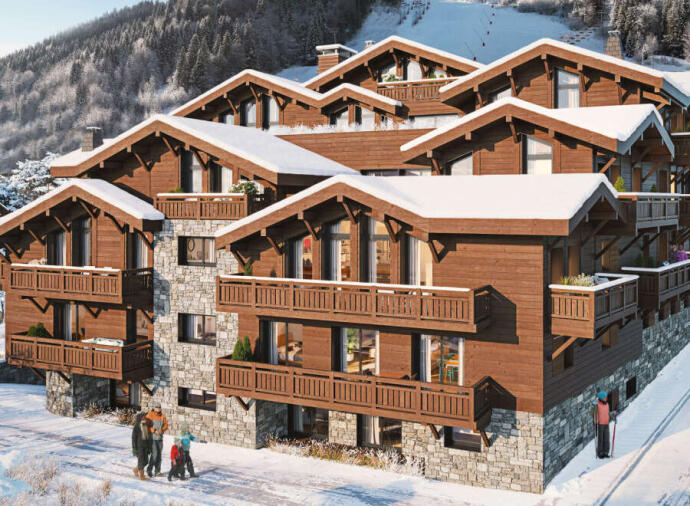
Many ski property buyers are attracted to off-plan purchases, which offer modern, energy-efficient homes in prime locations. While buying something that does not yet exist involves inherent risk, the French legal system provides robust protections.
The process begins with a reservation contract, which outlines your intention to purchase. Your deposit – usually 5% – is held in escrow and cannot be touched until key conditions are met. These include the developer obtaining ownership of the land, full planning permission, and a Garantie Financière d’Achèvement (GFA), which is a financial guarantee ensuring the project’s completion.
Further payments are linked to construction milestones. If these conditions are not met within an agreed timeframe – usually one year – you can withdraw and have your deposit returned. However, these contracts can be highly technical and should be reviewed by a solicitor experienced in cross-border real estate.
Planning rules and the Loi Montagne
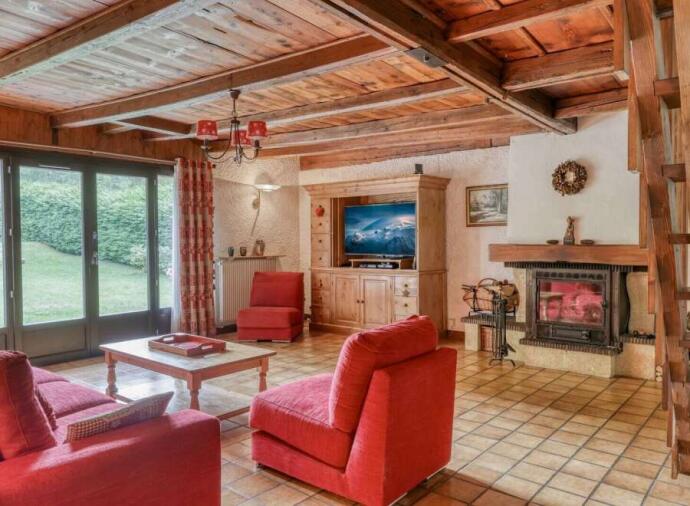
If you’ve set your sights on building something new, you should be aware of the strict planning laws surrounding French ski resorts, especially under the “Loi Montagne.” This law aims to preserve the natural environment while allowing appropriate development in mountainous areas.
Your plans will need to comply with this legislation, which may require input from a specialist architect and conditional approvals based on planning permissions.
Even if you're not building from scratch, previous work carried out on your property must be fully compliant with local planning regulations. Unlike in the UK, indemnity insurance is not available for unauthorised works. Any irregularities may prevent future permissions or lead to serious sanctions. You should consider verifying paperwork – ideally with help from a local legal expert – as not optional, but essential.
Choosing the right ownership structure
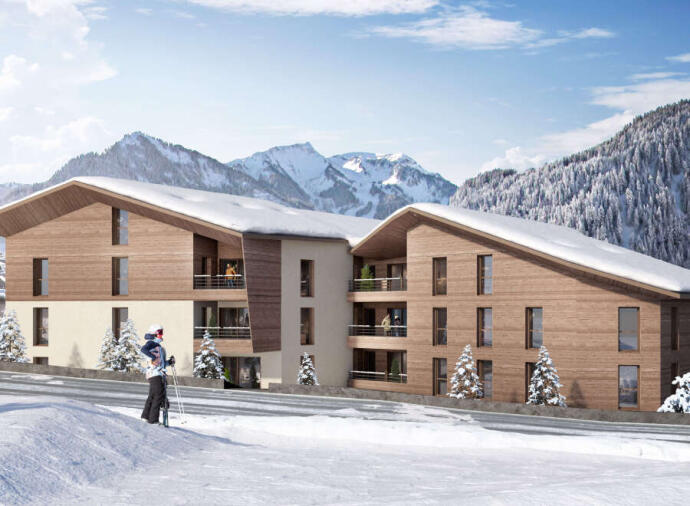
For high-value properties, it is worth considering how you structure your ownership. French law allows for purchase through a Société Civile Immobilière (SCI) – a type of private property-holding company. This can be useful for estate planning, co-ownership among family members, or even tax planning under certain conditions.
An SCI enables you to own the property as shares, which can be passed on more easily to heirs or co-owners. However, it is not appropriate for all situations, and setup requires careful legal and tax advice – particularly if you have ties to other jurisdictions.
Trusts are another consideration in some European countries, although these are not widely used in France. In Switzerland, by contrast, foreign nationals cannot use company ownership at all. Regulations vary widely by country, which is why bespoke legal advice is indispensable.
Inheritance and estate planning
Cross-border inheritance is one of the most commonly overlooked issues when buying abroad. In France, inheritance law follows “forced heirship” rules, which can override your wishes unless steps are taken in advance. Even if you have a will, it may not take precedence over these fixed rules.
Fortunately, European buyers can often opt into their own national law through the EU succession regulation, but this must be clearly expressed and structured correctly. Many buyers choose to create a French will alongside their home-country arrangements.
Short-term lets and community rules
If you intend to let your property, you’ll need to check both the building’s rules and the local commune’s regulations. In many French resorts, short-term letting must be declared and sometimes registered. Some communes require accreditation, while certain buildings prohibit short-term lets altogether due to concerns about noise or wear and tear.
Even with permission, rental income earned in France must be declared there – and taxed accordingly. The tax regime depends on the type of rental activity, whether furnished or unfurnished, and whether you’re offering services similar to a hotel. As with inheritance, it is worth getting advice tailored to your personal circumstances and intentions.
If you are UK-domiciled, it’s also important to understand how the property will be taxed in both jurisdictions. French inheritance tax is calculated separately from UK inheritance tax, and while double-taxation relief may be available, it’s not always straightforward. Engaging a dual-qualified advisor is often the best way to navigate this terrain.
To get the process of buying your ski property underway, why not take a look at our handy ski property buying guides? They lay out the buying journey step by step to make the process as smooth and hassle-free as possible.
 Nov 17, 2025