In a significant development for property buyers, the French government has extended the deadline for banning rentals of the most energy-inefficient homes – those rated G on the DPE scale – in mountain regions to 2034. While this may seem like a temporary fix, for those considering ski property in France, it offers a valuable opportunity.
But it’s also a reminder that smart investment requires thinking ahead, not just to your first winter season, but to the property’s eventual resale, rental potential and long-term value.
Here’s what this reprieve means for you, and why planning for energy compliance today can protect your investment tomorrow.
Why the delay happened – and why it matters to buyers
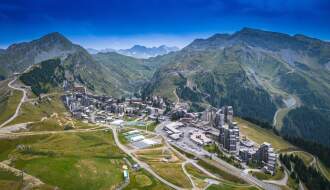
Ski resorts across France, particularly those built during the 1960s and '70s, are filled with concrete apartment blocks that were never designed for today’s energy standards.
A study by FNAIM (link to French language pdf from (Fédération Nationale de l’Immobilier, the largest professional association for real estate agents in France), found that around 75% of homes in ski stations are rated E, F or G. The original ban would have made these unrentable from 2025, threatening both individual owners' incomes and local economies dependent on tourism.
By postponing the ban in mountain areas until 2034, the government has acknowledged the unique difficulties in upgrading alpine properties: scarcity of skilled tradespeople, higher renovation costs, and complex logistics in high-altitude areas.
For buyers, this isn’t just a pause. It’s a window. You now have more time to rent out older properties while gradually planning renovations – without losing income or rental rights in the short term.
Strategic buying: future-proofing starts now
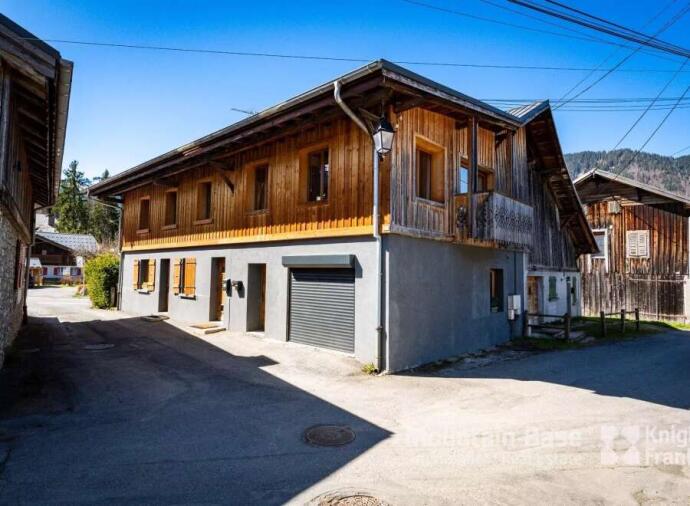
Even with the reprieve, energy performance ratings will remain a critical factor when buying. Investors hoping to generate rental income – now or in the future – must think ahead.
If you're looking at a property with a lower energy rating, ask the seller for an energy audit (audit énergétique réglementaire) and quotes for potential works. These documents are already required by law and can help you forecast future renovation costs. For buyers of older apartments or chalets, this step is essential, especially if you’re planning to resell or rent beyond the 2030s.
Properties that are already upgraded – or capable of being brought up to standard with relatively modest improvements – are likely to see higher demand and stronger resale values in future.
Energy and resale value: the long game
When you buy a ski property, you're not just buying your next winter holiday – you’re buying into a long-term asset. And energy efficiency plays a growing role in that asset’s future value.
Think about what buyers will want in 10 or 20 years: space, location, access to the slopes – and sustainability. Properties with efficient heating systems, good insulation, and green credentials will stand out. In fact, upgrades like solar panels or smart thermostats are already appealing to a new wave of buyers seeking both comfort and environmental responsibility.
In high-demand, high-altitude areas – such as Val d’Isère, Les Arcs, and La Plagne – where you benefit from longer seasons and better rental returns, the potential for long-term value is even stronger. These locations combine elevation, infrastructure, and international appeal. The rental market here is more resilient, which makes planning for eventual resale or letting even more important.

Renovation isn’t just a burden – it’s an opportunity
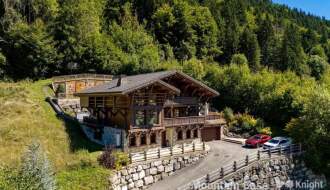
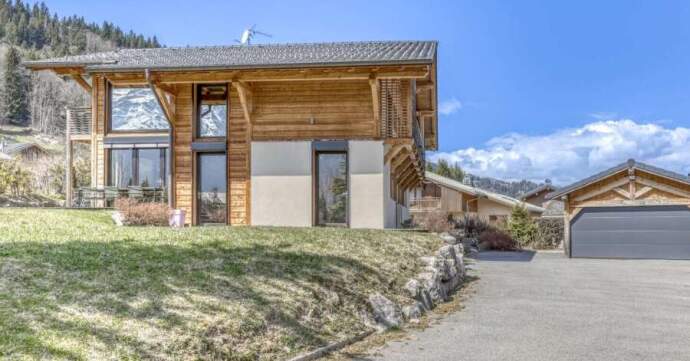
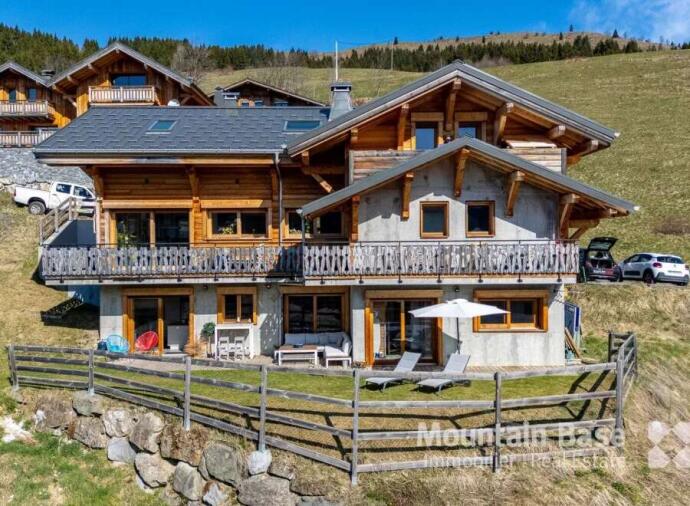
Yes, energy renovations can be costly – particularly in mountain locations – but they also offer a chance to reimagine a property. Chalets in particular benefit from modern updates: open-plan living, improved insulation, large windows to maximise views and natural light, and even underfloor heating.
High-end developments are already leading the way, combining traditional alpine architecture with sleek, energy-efficient design. In resorts like Méribel, where architectural style is regulated, modernising without losing heritage value is both possible and profitable.
If you're buying off-plan or looking at redevelopment opportunities, you may also be able to recover VAT, depending on the ownership structure and whether you're letting the property. A French notaire or legal adviser can help you determine the best structure – direct ownership, SCI, or SARL – for your goals.
Rental performance: create a track record now
The energy reprieve also gives buyers more time to establish a rental history. This matters. A clear track record of seasonal rental income, backed by figures from a management company, makes a property significantly more attractive to future investors. It turns your home into a proven income-generator, not just a holiday bolt-hole.
In high-altitude resorts – where seasons are longer and guest satisfaction tends to be higher – this strategy becomes even more powerful. Summer usage, too, is rising in dual-season areas such as Chamonix and Morzine, which increases your return and widens your future buyer pool.
Don’t buy blind to the future
France’s energy reprieve gives ski property buyers time – but not a pass. The smartest buyers will use this period to get ahead of future rules and prepare for a more regulated, sustainability-driven market.
Buy a property you love, but think like a future seller: choose a location with year-round appeal, invest in timeless design and efficient upgrades, and build a rental profile that proves your property's worth.
Need help navigating your options? Whether you’re exploring high-altitude resorts, want advice on renovation potential, or are seeking financial certainty through currency planning, our expert consultants are here to help.
Book a free consultation today and let’s make your ski property work for the present – and the future.
 Nov 17, 2025