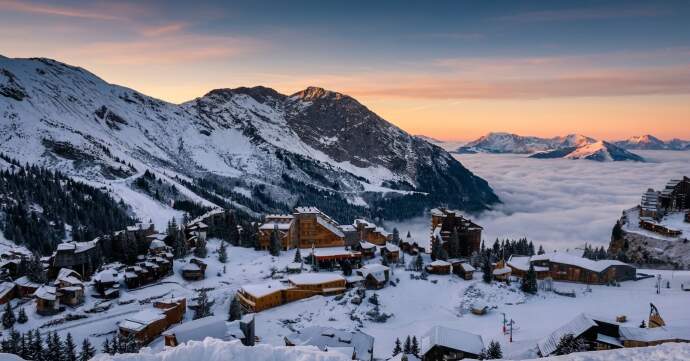
Buying a ski home is rarely a purely rational decision. For most people, it’s something imagined over years rather than months. Long before budgets or floor plans enter the picture, there’s already a clear idea of what life there should feel like: mornings watching the mountains wake up, children learning to ski, friends gathered after a long day on the slopes.
Where things start to unravel is not in the decision to buy, but in how that original vision slowly gets diluted. As soon as numbers, logistics, and availability take centre stage, many buyers begin to adjust their expectations. What starts as a small compromise often becomes a permanent one.
The hidden cost of settling
Most compromises don’t look dramatic at the time. A property that’s a little further from the lifts. Access that’s fine if you’re fit and organised. A view that’s pleasant rather than memorable. Each choice can be justified in isolation, which is why they’re so common.
The issue is that the most important elements of a ski home can’t be changed later. Kitchens can be replaced. Bathrooms upgraded. Furniture swapped. Location, access, orientation, and proximity to the slopes are fixed from the day you buy.
In Alpine resorts across Europe, these fundamentals are also what underpin long-term demand. Ski-in ski-out access, strong views, sun exposure, and privacy aren’t just lifestyle features. They’re the attributes future buyers and renters consistently prioritise. Once a property relies on convenience that only works for one owner’s tolerance level, resale becomes harder and demand narrows quickly.
A common example we see is the “ten-minute walk” compromise. On paper it sounds harmless. In practice, after a full day skiing with children or friends, carrying equipment in winter conditions, that walk changes how often people go back to the property, how long they stay, and whether they choose to use it at all. Over time, the home becomes something that’s owned rather than enjoyed.
How modern ski homes are really used
Ski homes today are no longer just bases for skiing. For many owners, they’re places of recovery as much as activity. This shift has been particularly noticeable across European mountain resorts over the past decade.
Wellness features are no longer optional extras. Hot tubs, saunas, fireplaces, quiet spaces, light, and views play a central role in how people experience a property. After a long day on the mountain, the quality of what you return to often defines the trip as much as the skiing itself.
Homes that offer this sense of restoration tend to get used more frequently and more spontaneously. They draw owners back for shorter stays, shoulder seasons, and non-peak periods. Properties that lack these elements often feel functional rather than inviting, which quietly reduces both personal use and rental appeal.
Timing, stretching, and the illusion of waiting
Many buyers assume that waiting is the safer option. Another year to plan. Another season to refine the budget. In reality, waiting often reshapes the dream rather than preserving it.
In established Alpine resorts, prices rarely stand still. Availability changes, life circumstances evolve, and what once felt achievable can become more constrained. We also see a consistent pattern in hindsight conversations: people rarely regret stretching for the right property, but they frequently regret settling for one that missed the mark.
Short-term negotiations and marginal price differences fade quickly over time. What doesn’t fade is the daily experience of the home itself. Years later, very few owners dwell on whether they paid slightly more than planned. They do remember whether the property delivered what they hoped it would.
Holding on to the original vision
The buying process can feel heavy. Mortgages, legal structures, currency considerations, tax, and administration all demand attention. It’s easy to lose sight of why the journey started in the first place. But that complexity is temporary.
A ski home isn’t bought to optimise spreadsheets or win negotiations. It’s bought to create future moments: quiet mornings, shared meals, tired legs, and evenings that only happen because the setting is right.
You can compromise on many things in life. If a ski home has been a long-held ambition, protecting that original vision is usually the difference between a property you own and one you truly use, enjoy, and remain proud of over the long term.
If you’re ready to explore what protecting that vision looks like in today’s Alpine market, we can help identify properties that align with your original dream rather than dilute it.

 Jul 12, 2026